
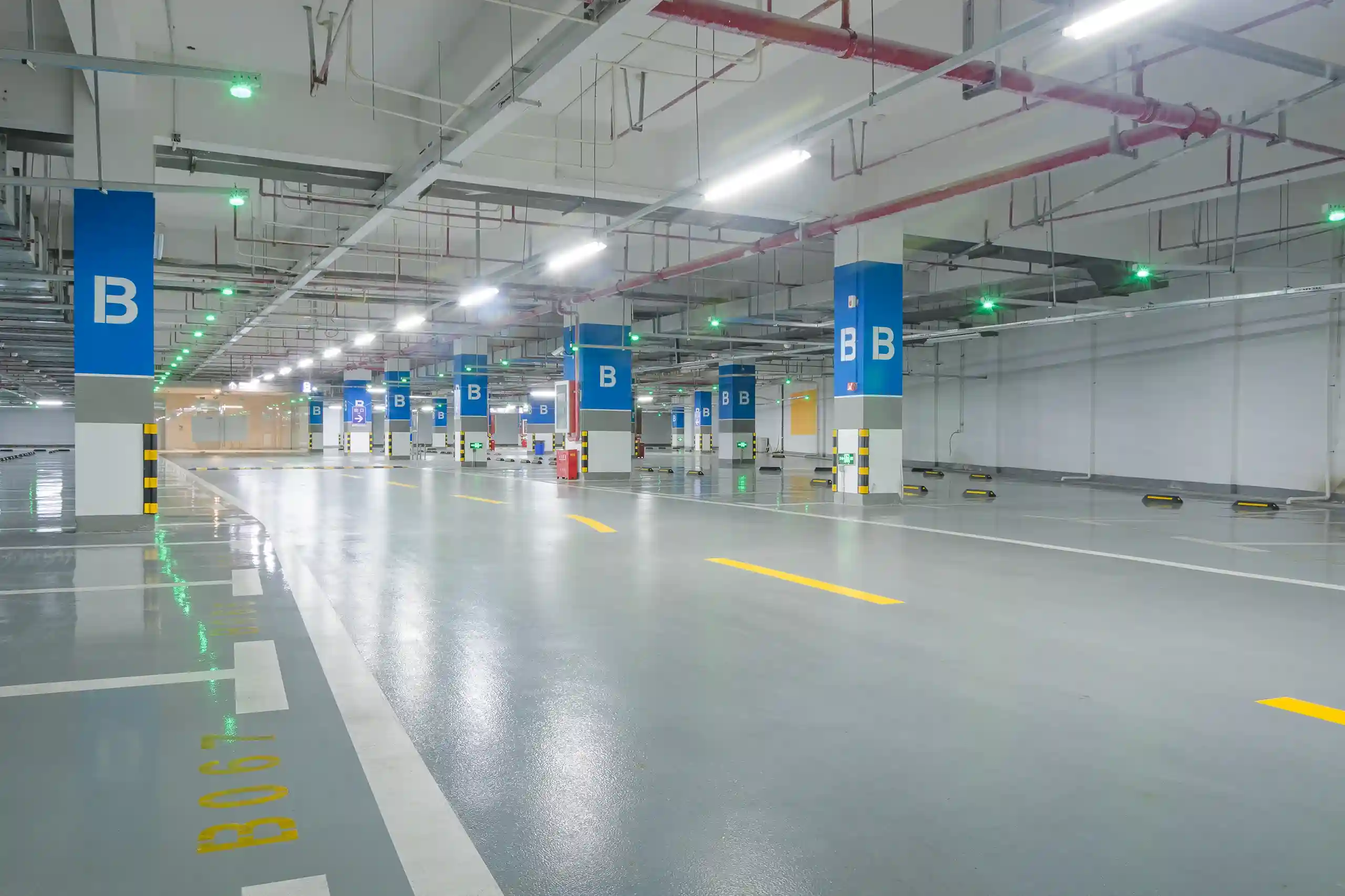
A garage often starts as a forgotten space. Bare concrete, oil stains, tire marks, nothing glamorous. Nevertheless, provide it the right finish, and suddenly it feels like part of the home, not an afterthought. That’s the quiet power of epoxy garage flooring. It doesn’t shout. It transforms.
That’s where Epoxy Garage Flooring quietly steps in. It doesn’t scream for attention, but it completely transforms a space. Especially around the Mornington Peninsula, where coastal air, moisture, and daily wear can be rough on untreated concrete.
In the Mornington Peninsula, where coastal air meets modern living, choosing the right flooring system isn’t just about looks. It’s about durability, practicality, and a bit of style thrown in for good measure.
Why Garage Floors Fail Without Proper Coating
Concrete feels solid, but it’s not as tough as it looks over time. It absorbs moisture, reacts to temperature shifts, and slowly weakens under repeated stress. Without protection, that process speeds up more than most expect. A bare slab starts shedding dust, which then becomes a constant cleaning problem.
In several coastal jobs, the early signs were always the same—dark patches from trapped moisture and faint cracking around tire paths. That’s where untreated concrete struggles. Once those issues settle in, patching them doesn’t really solve the underlying cause. It just delays the next failure.
A well-installed epoxy garage flooring system works as a barrier and reinforcement at the same time. It seals the surface while distributing the load more evenly. But if the coating is thin or poorly bonded, it ends up becoming just another layer that fails. That’s where many homeowners get caught, assuming any coating is better than none.
Breaking Down Types Of Epoxy Systems Used Today
There’s a tendency to treat epoxy like a single product. In reality, it’s a category with different formulations, each behaving differently once installed. Some systems are thin and easy to apply, while others build a thick, almost industrial-grade surface.
Water-based systems often get marketed as convenient, but they tend to lack long-term strength. They look fine at the start, then gradually wear down under tire pressure. Solvent-based options improve durability, though they bring stronger fumes during installation. The high-end systems’ 100% solids create a dense layer that handles serious use.
Choosing between them isn’t about picking the most expensive option by default. It’s about how the garage is used. A lightly used space might not justify a heavy system. But installing a lighter system in a high-use garage almost guarantees early failure. That mismatch shows up more often than expected in epoxy garage flooring projects.
Surface Preparation Mistakes That Cost Later
Most floor failures actually happen before the first drop of resin hits the ground. It’s easy to overlook surface prep since you can’t see it once the job is finished, but that’s precisely what decides if your coating stays put or starts peeling off in sheets.
Grinding the concrete is what gives it the “tooth” needed for a solid bond. If you rush this part, the adhesion just won’t be there. I’ve seen floors that look flawless on day one start lifting in a few weeks because they were just cleaned instead of properly profiled. That shortcut might save an hour now, but it’ll cost you a fortune later.
Moisture testing is another step often ignored. In coastal areas, moisture can rise through the slab. Without a proper barrier, even high-quality epoxy garage flooring can blister. It’s not always immediate, which makes it harder to trace back to the root cause. By the time it shows, the repair is rarely simple.
How Epoxy Garage Flooring Handles Coastal Conditions
Coastal environments add a layer of complexity that inland garages don’t deal with. Salt particles settle on surfaces, moisture levels fluctuate, and temperature swings can cause expansion and contraction in the slab. These factors quietly stress the flooring system.
A standard coating might hold up in a dry suburban setting but struggle near the coast. The epoxy needs to remain flexible enough to handle movement while still maintaining a strong bond. That balance isn’t built into every system. Some rigid coatings crack under stress rather than adapting.
The better-performing epoxy garage flooring systems in coastal zones usually include moisture-tolerant primers and UV-stable topcoats. Without those, discoloration and peeling tend to show up earlier. It’s not about overengineering the floor—it’s about acknowledging what the environment does over time.
Choosing The Right Finish For Daily Garage Use
Finishes often get chosen based on looks first, then practicality later. That order usually flips after a few months of use. A glossy surface might look sharp, but it can highlight dust and tyre marks more than expected.
Flake systems tend to hide imperfections better. They also provide a bit of texture, which helps with grip. Metallic finishes, while visually striking, require more maintenance to keep their appearance consistent. Each option brings a trade-off that doesn’t always show in showroom samples.
A garage isn’t a static space. It deals with movement, spills, and occasional impact. The finish should reflect that reality. The most successful epoxy garage flooring installations tend to prioritize usability over appearance, even if that means stepping back from more dramatic design options.
Design Choices That Elevate Garage Spaces
Function matters. But design? That’s where things get intriguing.
Popular choices include
- Neutral greys for a clean look
- Speckled finishes for texture
- High-gloss coatings for a polished feel
A well-designed epoxy garage flooring system doesn’t just protect—it elevates the entire space.
Cost Factors That Influence Final Flooring Outcome
Pricing for these projects is all over the map, and the reasons aren’t always obvious. You might get two quotes for epoxy garage flooring that look identical, but the devil is in the details. One likely covers deep prep and top-tier materials, while the other is probably cutting corners just to get the price down.
Labor plays a big role. Proper grinding, moisture testing, and multi-layer application take time. Reduced labor hours often mean reduced quality. That’s where cheaper jobs start to show weaknesses. It’s not just about the material; it’s about how it’s applied.
A well-executed epoxy garage flooring system isn’t the cheapest option, but it avoids repeat costs. Recoating or repairing a failed floor often ends up costing more than doing it right the first time. That’s a pattern seen repeatedly across both residential and commercial projects.
Hiring Epoxy Flooring Contractors Without Regret
Picking the right team isn’t as simple as it sounds. You’ll find some epoxy flooring contractors with flashy websites who just farm the work out to inconsistent subs who ignore concrete slab preparation and site requirements. Then there are the guys with no branding who do incredible work through pure experience. The real trick is seeing past the sales pitch.
A good contractor explains the process in detail, not just the result, especially when discussing the application of epoxy garage flooring. They’ll talk about preparation methods, curing times, and potential limitations. If those details are missing, it’s usually a sign that the process isn’t fully controlled. That uncertainty shows up later in the finish.
Hiring experienced epoxy flooring contractors definitely lowers your risk, but it’s not a magic fix. Things like clear communication, a solid written scope, and honest timelines are just as vital as the technical side of the job. You really need both for a successful finish.
Comparing Epoxy Flooring Options
A quick breakdown makes decisions easier:
| Feature | Solid Epoxy | Water-Based | Flake System |
| Durability | High | Medium | High |
| Appearance | Glossy | Smooth | Textured |
| Slip Resistance | Low | Medium | High |
| Cost | Higher | Lower | Moderate |
| Maintenance | Easy | Easy | Very Easy |
Maintenance Habits That Extend Epoxy Lifespan
Once installed, epoxy floors don’t demand much, but neglect can still shorten their lifespan. Regular cleaning prevents dirt from acting as an abrasive layer. Small habits, like wiping spills quickly, make a noticeable difference over time.
Dragging heavy objects across the surface is another common issue. It creates scratches that gradually dull the finish. Using protective pads or soft wheels helps avoid that kind of wear. These adjustments are simple but often overlooked.
A well-maintained epoxy garage flooring system can hold its appearance for years. Without basic care, even high-quality installations lose their edge faster than expected. Maintenance doesn’t need to be complex; it just needs to be consistent.
Common Assumptions That Lead To Poor Decisions
There’s a belief that thicker automatically means better. That’s not always true. Thickness matters, but only if the bonding and preparation support it. A thick layer on a poorly prepared surface fails just as quickly as a thin one.
A big mistake is assuming all epoxy is created equal. The reality is that formulas vary wildly; some are meant for a light residential garage, while others are built for heavy industrial abuse. If you treat them as the same thing, you’re going to end up disappointed.
The idea that DIY kits can replicate professional results also comes up often. While they can work in controlled conditions, they rarely match the durability of professionally installed epoxy garage flooring. The difference usually shows after a few cycles of use.
Long-Term Performance Versus Short-Term Appeal
A freshly coated floor looks impressive regardless of the system used. The real test starts after months of use. That’s when differences in material quality and installation methods become visible. Some floors maintain their finish; others start showing wear patterns.
Short-term appeal often drives decisions, especially when comparing samples. But samples don’t reflect real conditions. They don’t show how the floor reacts to moisture, weight, or repeated cleaning. That gap between expectation and reality causes most dissatisfaction.
The more reliable epoxy garage flooring choices tend to focus on durability first. Appearance follows naturally when the system holds up well. It’s a quieter kind of success—not flashy, but consistent.
Conclusion
A high-quality epoxy garage flooring setup does way more than just look appealing. It completely changes how the space functions. By cutting down on dust and amping up durability, you’re left with a surface that’s actually built to handle heavy use and years of wear and tear.
Down in Mornington Peninsula, where the weather can really mess with concrete, choosing expert epoxy flooring contractors is the only way to get a result that lasts.
Do it right the first time to save yourself the headache later. Reach out today for a custom epoxy flooring solution for your garage.
Frequently Asked Questions
What is the best epoxy garage flooring for coastal homes?
Coastal areas need moisture-resistant systems. A 100% solid epoxy with a moisture barrier primer works best. It handles humidity, salt exposure, and temperature changes, making it ideal for Mornington Peninsula conditions.
How long does epoxy garage flooring last?
If it’s put down correctly and looked after, an epoxy garage flooring system can easily last 10 to 20 years. That lifespan really hinges on how you use it and the quality of the initial epoxy flooring solution.
Is epoxy flooring slippery in garages?
It can be, but anti-slip additives or flake finishes improve grip. Most garage floor coatings include texture options to reduce slipping, especially in wet conditions.
Can epoxy flooring be installed over old concrete?
Yes, but the concrete must be thoroughly prepared. Cracks, moisture, and stains must be treated first. Professional epoxy flooring contractors ensure the surface is ready before applying epoxy.
How long does installation take?
Most projects involving professional epoxy flooring solutions take about 2 to 3 days. If the floor is massive or in rough shape, expect it to take a bit longer while the prep work is sorted.