
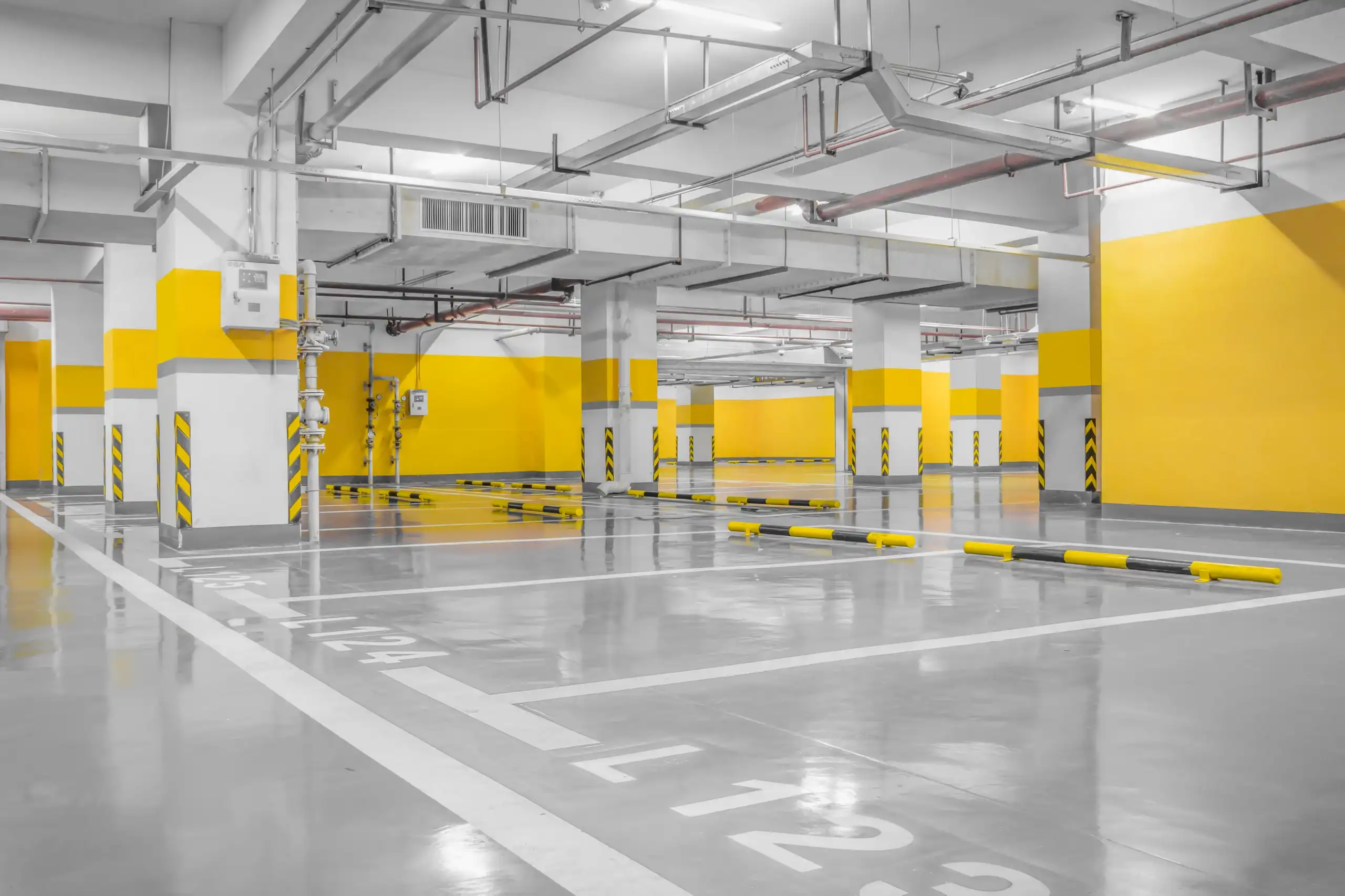
Industrial epoxy flooring is like giving your concrete floor a bullet-proof vest – it’s tough, long-lasting, and easy to clean. Whether you’re running a busy Mornington Peninsula warehouse, garage, or factory, epoxy floors take the beating of heavy foot traffic, forklifts, spills, and scrapes without breaking a sweat. Picture an entire workshop with a gleaming epoxy-coated floor: no cracks or stains in sight. In practice, a high-performance epoxy coating bonds to the concrete and forms a seamless, impermeable surface. This means it resists impact, chemicals, oil, and even the heaviest loads while still looking slick. As Ascoat, a leading Aussie industrial-flooring expert, puts it, quality epoxy coatings “safeguard your concrete floors from chemical and mechanical attack and protect staff and customers”. In short, if you want a floor that can handle a crowd – or a forklift – day in, day out, industrial epoxy flooring is the go-to solution.
Durability is where industrial epoxy flooring truly shines. These tough coatings are designed for environments “where other surfaces fail”. Unlike plain concrete that might crack or chip, a well-applied epoxy layer is highly wear-resistant. Industry sources agree that epoxy floors can last decades under high-stress conditions. Dulux Avista, a reputable Australian paint authority, notes epoxy coatings “can last up to 20 years in the right conditions”. They withstand heavy foot traffic, rolling equipment, heat, chemicals, and constant cleaning without losing integrity. In factories and workshops, epoxy floors are engineered to take hits from machinery and spills of solvents or oils. Even garage and warehouse floors stay looking fresh: since the surface cures to a hard, rock-solid finish, it won’t peel or flake. This means fewer repairs and less downtime. In fact, builders in Melbourne praise epoxy’s strength – it “reduces maintenance costs and extends the lifespan of your commercial space”. Simply put, you won’t need to replace an epoxy floor every few years. It’s a long-term investment that pays off by standing up to high traffic in high-traffic areas.
Safety is another big win. Industrial epoxy floors can be made anti-slip by adding fine grit or flake into the finish. This gives the surface texture for traction, which is essential in busy Mornington workshops or kitchens. For example, AS 4586-2013 is Australia’s official slip-resistance standard for pedestrian surfaces, as defined by Standards Australia, and professional epoxy installers often include aggregates to ensure floors comply with these nationally recognised safety requirements. In practice, a butcher shop in Mornington used a non-slip resin floor to keep staff safe. This kind of coated floor not only grips boots, but it’s also seamless and non-porous, so it doesn’t trap water or grease. If a spill happens, clean-up is a breeze, and there’s no sticky residue to create a slip hazard. Being non-porous also makes epoxy food-safe when properly specified, which is why even gourmet meat shops choose it. In short, industrial epoxy flooring keeps people on their feet by preventing accidents, from wet floors to stray screws, far better than bare concrete.
Epoxy floors are easy to maintain – another big draw in high-traffic areas. A smooth, continuous epoxy surface resists dust and dirt; it’s just one solid “sheet” over your concrete. You can simply sweep and mop it, and it won’t absorb oil or grime the way untreated concrete will. As Dulux Avista notes, epoxy floors “offer great protection from oil and dirt stains compared to plain concrete”. In practice, factory managers report that a quick wash (using a neutral cleaner) restores the shine in minutes. Since there are no grout lines or cracks, there’s nowhere for debris to hide. This also means better hygiene – ideal for food or healthcare facilities – because bacteria and germs can’t seep into the floor. At the same time, epoxy floors often have a glossy or semi-gloss finish that brightens the space by reflecting overhead lighting. This enhances visibility (reducing eye strain and accidents) and gives the area a clean, modern look.
Style and versatility come as part of the package, too. Industrial epoxy floor coatings are available in many colors and finishes. You can match your brand (even paint company logos on the floor), use bright hues for safety zones, or pick a neutral grey for a sleek look. Some systems offer decorative quartz or flake finishes for a speckled effect, which also boosts slip resistance. For example, epoxy “flake flooring” blends colored flakes into the resin, creating texture and personality while still resisting stains and abrasion. Even high-gloss metallic epoxies exist for showrooms or cafes, providing an upscale look with industrial toughness. In short, industrial epoxy flooring doesn’t have to be dull – it can complement your décor and still meet the rigors of heavy use.
Cost-wise, industrial epoxy is a smart choice in the long run. True, the upfront price of a professional epoxy floor is higher than pouring plain concrete or laying vinyl tiles. However, the lifetime value is far greater. Since epoxy strengthens and protects the concrete underneath, it prevents costly repairs (like patching cracks) and even guards the slab itself from damage. Dulux Avista points out that epoxy application often goes right over the existing floor, saving you the hassle and cost of a full tear-out. Over the years, minimal maintenance (and only needing a recoat every 5–10 years, perhaps) makes epoxy floors more affordable than constant repairs on weaker floors. In busy commercial settings, time saved on cleaning and repairs is money in the bank – warehouses and factories can operate without extra downtime. Plus, professional epoxy installers typically complete large areas quickly (sometimes in a single weekend), so your Mornington business isn’t stalled for long. All told, many contractors and business owners agree: epoxy flooring “works out to be cost-effective in the long run”.
⦁ Types of Industrial Epoxy Floor Coatings: Epoxy systems come in various formulations to suit different needs. Epoxy mortar floors mix epoxy with sand or quartz, making an extremely tough, thick layer for heavy machinery areas. Epoxy flake floors add decorative flakes for color and texture, ideal where you want both durability and a finished look. Self-leveling epoxy flows out smoothly to a seamless, glossy finish – great for labs or clinics where hygiene is key. Quartz epoxy embeds quartz granules for extra abrasion and UV resistance (handy in bright spaces). There are even ESD (anti-static) epoxies for sensitive electronics environments. By choosing the right epoxy type, you tailor the floor solution to match traffic, environment, and aesthetic needs.
⦁ Selecting the Right Contractor: To get these benefits, hire a reputable industrial floor coating contractor. In our region, experienced providers (like the team at Ascoat or Flowcrete Pacific) emphasize quality materials and proper installation. They’ll prepare the concrete, apply primer and the epoxy layers, and make sure it cures to spec. Check that they comply with Australian standards (e.g., AS 4586 for slip resistance) and offer warranties. Quality installers will even coordinate with your schedule to minimise disruption. In the Mornington Peninsula area, look for contractors with a portfolio of heavy-duty projects – for instance, Ascoat’s own portfolio includes workshops, butcheries, and warehouses using epoxy or similar systems. Don’t just paint it yourself as an “industrial epoxy floor paint” – true two-component epoxy systems are more durable than simple floor paint, so professional application is key to longevity.
Conclusion:
Industrial epoxy flooring brings together strength, safety, and style in one package. It’s engineered to endure intense wear and cut maintenance, making it a top pick for busy Mornington workshops, factories, and retail spaces alike. By choosing epoxy, you invest in a floor that resists spills, lasts for decades, and even brightens up your facility. If you’re dealing with high footfall or heavy equipment, epoxy really is a no-brainer – it’s the ultimate industrial floor solution. Talk to a local specialist now to see how an epoxy floor could transform your space and keep you ahead of the pack.
Frequently Asked Questions:
What is industrial epoxy flooring?
It’s a hard, protective coating made from epoxy resin applied over concrete. Once cured, it creates a joint-free, heavy-duty floor surface suitable for industrial settings.
Why is epoxy flooring good for high-traffic areas?
It is extremely tough and wear-resistant. Epoxy can handle constant foot traffic, forklifts, spills, and equipment without chipping or cracking.
Is epoxy flooring slip-resistant?
Yes. By adding non-slip aggregates, the cured epoxy surface provides good traction. Many systems meet Australian slip standards (AS 4586) for safety.
How long does an epoxy floor last?
Generally, 10–20 years or more in industrial use. It may need a recoat every 5–10 years under heavy use, but otherwise it’s very durable.
How to maintain an epoxy floor?
Simply sweep or vacuum loose dirt, and mop with water or mild detergent. Avoid harsh acids. The smooth, sealed surface makes spills easy to wipe up.