
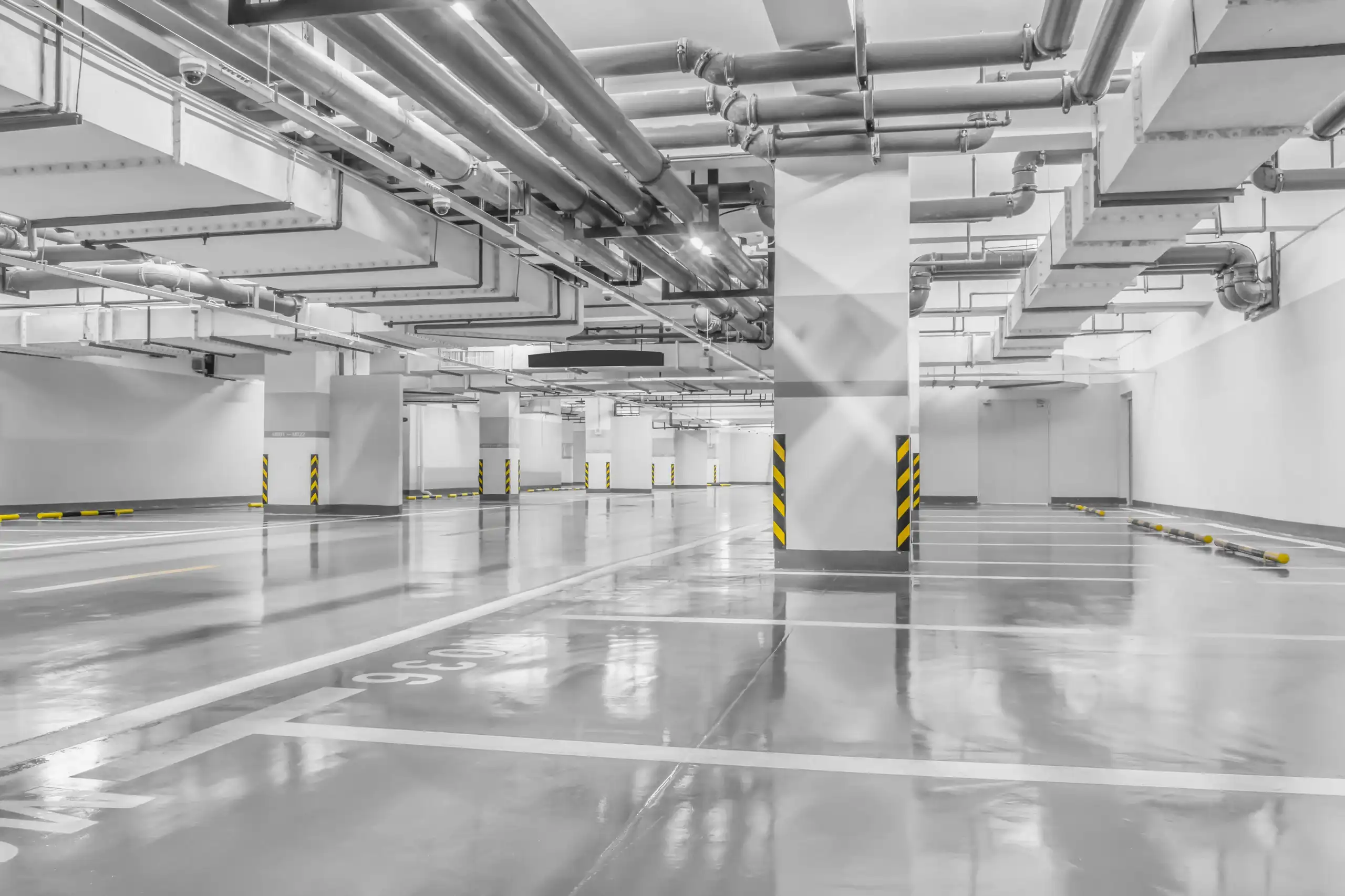
If you’ve ever walked into a warehouse, factory, or even a polished commercial garage and thought, “This floor looks like it could handle anything,” you’re not imagining things. Flooring quietly carries the weight of your entire operation, machinery, people, spills, pressure, and time itself. And in the Mornington Peninsula, where coastal air, humidity, and shifting temperatures add an extra layer of stress, the right flooring choice becomes even more critical.
I’ve seen businesses spend thousands on equipment and interiors, but underestimate what’s beneath their feet. Within months, cracks appear, stains settle in, and maintenance becomes a recurring headache. That’s why comparing Industrial Epoxy Flooring vs Concrete isn’t just a technical discussion; it’s a practical, long-term business decision. Let’s unpack this properly so you can make a choice that actually holds up.
What is Industrial Epoxy Flooring?
Industrial Epoxy Flooring is more than just a surface coating; it’s a complete flooring system designed to enhance and protect concrete. It involves applying a resin-and-hardener combination that chemically bonds to the existing concrete, creating a tough, seamless layer that behaves almost like a shield.
Once cured, epoxy forms a rigid, plastic-like surface that resists heavy loads, abrasions, and chemical exposure. This is why it’s widely used in warehouses, factories, hospitals, and even high-end commercial spaces. It’s not just about strength, it’s about consistency. You get a uniform surface that doesn’t crack under pressure or absorb spills.
Another key advantage is adaptability. Whether you need anti-slip textures, specific colour coding for safety zones, or a high-gloss finish for aesthetics, epoxy can be tailored to your exact needs. This flexibility is why experienced industrial floor coating contractors often recommend epoxy as a long-term solution rather than a quick fix.
Understanding Traditional Concrete Flooring
Concrete has been the backbone of industrial flooring for decades, and it’s easy to see why. It’s strong, widely available, and relatively affordable. In many cases, it’s the starting point for any flooring system.
However, raw concrete has its limitations. It’s naturally porous, which means it absorbs water, oils, and chemicals. Over time, this leads to staining, weakening, and eventual deterioration. Even small cracks can expand under pressure, especially in environments with temperature fluctuations.
In coastal regions such as the Mornington Peninsula, concrete faces additional challenges. Moisture in the air and salt exposure can accelerate wear and tear, making untreated concrete less reliable in the long run. While it may seem like a solid option initially, it often requires ongoing maintenance to stay functional.
Industrial Epoxy Flooring vs Concrete: The Core Differences
When comparing Industrial Epoxy Flooring vs Concrete, the differences go beyond surface-level features. It’s really about how each option performs under real-world conditions.
Epoxy flooring enhances concrete by sealing it completely, creating a non-porous and highly resistant surface. This means spills stay on the surface instead of seeping in, making cleaning faster and more effective. Concrete, on the other hand, tends to absorb contaminants, which can lead to permanent stains and hygiene issues.
Durability is another major factor. Epoxy is designed to handle heavy traffic, machinery, and chemical exposure without breaking down. Concrete can handle weight, but it’s more vulnerable to cracking and surface damage over time. The visual difference is also noticeable; epoxy delivers a polished, professional look, while concrete often appears dull and worn.
Ultimately, concrete is the foundation, but epoxy transforms it into a high-performance flooring system that aligns with modern industrial demands.
Industrial Epoxy Flooring vs Concrete: Quick Comparison Table
| Feature | Industrial Epoxy Flooring | Concrete Flooring |
| Durability | Highly resistant to impact, chemicals, and wear | Strong but prone to cracks over time |
| Surface Type | Seamless, smooth, non-porous | Porous, rough, absorbs liquids |
| Maintenance | Low maintenance, easy to clean | Requires sealing and frequent upkeep |
| Lifespan | Long-lasting with proper care | Shorter lifespan without maintenance |
| Cost (Initial) | Higher upfront cost | Lower installation cost |
| Cost (Long-Term) | Cost-effective due to minimal repairs | Higher due to repairs and maintenance |
| Safety | Can include anti-slip features | Can become slippery or uneven |
| Appearance | Glossy, customisable, modern finish | Plain, dull, limited design options |
| Moisture Resistance | Excellent resistance to water and chemicals | Absorbs moisture, risk of damage |
| Suitability (Industrial) | Ideal for heavy-duty environments | Suitable for basic or low-traffic areas |
This table gives you a snapshot, but the real decision lies in how these factors play out in your specific environment and usage.
Durability in Mornington Peninsula Conditions
Mornington Peninsula’s coastal environment is beautiful—but it’s not exactly gentle on building materials. The combination of humidity, salt air, and temperature changes creates a tough environment for flooring systems.
Industrial Epoxy Flooring performs exceptionally well under these conditions because it acts as a protective barrier. It prevents moisture from penetrating the concrete and shields against chemical exposure. This makes it ideal for industries where spills and environmental stress are common.
Concrete, while strong, tends to show signs of wear more quickly. Small cracks can develop due to expansion and contraction, and moisture can seep in, leading to further damage. Over time, this can compromise both the appearance and structural integrity of the floor.
Cost Comparison: Short-Term vs Long-Term Value
At first glance, concrete seems like the more budget-friendly option. The initial installation cost is lower, which makes it appealing for large-scale projects or tight budgets. But that’s only part of the story.
Concrete often comes with hidden costs, such as sealing, repairs, crack filling, and periodic resurfacing. These expenses can add up significantly over time. Epoxy, while requiring a higher upfront investment, reduces these ongoing costs by providing a durable, low-maintenance surface.
Think of it like this: concrete is the cheaper entry point, but epoxy is the smarter long-term investment. Businesses that plan for growth and longevity often find that epoxy pays for itself through reduced maintenance and extended lifespan.
Maintenance and Cleaning: What You’re Signing Up For
Maintenance is one of those things you don’t think about—until it becomes a daily problem. And with industrial flooring, it can quickly become a major operational concern.
Epoxy flooring simplifies maintenance. Its seamless, non-porous surface prevents dirt, oil, and chemicals from penetrating, making cleaning straightforward. A regular mop or wash is usually enough to keep it looking and performing well.
Concrete, however, requires more effort. Its porous nature means it traps dust and absorbs spills, leading to stains and potential hygiene issues. Without proper sealing and regular upkeep, it can become difficult to maintain.
For businesses where cleanliness matters, such as food production or healthcare, industrial epoxy floor paint systems offer a clear advantage in both hygiene and efficiency.
Safety and Compliance in Industrial Spaces
Safety is a top priority in any industrial setting, and flooring plays a crucial role in maintaining a safe environment. Slips, trips, and falls are among the most common workplace incidents, and the type of flooring you choose can either reduce or increase these risks.
Epoxy flooring can be customised with anti-slip additives, improving traction even in wet or high-traffic areas. This makes it a safer option for environments where spills or moisture are common.
For detailed safety requirements, you can refer to the Australian government’s guidelines on workplace health and safety regulations, which provide clear standards for industrial environments. Concrete floors, unless treated, can become uneven or slippery over time, increasing the risk of accidents. This makes epoxy a more reliable choice for maintaining safety standards.
Aesthetic Appeal and Branding Impact
Industrial spaces are no longer just functional; they’re part of your brand. Clients, partners, and even employees notice the environment they’re in, and flooring contributes more than you might think.
Epoxy flooring offers a clean, polished, and modern look. You can customise colours, patterns, and finishes to align with your brand identity or operational needs. It creates a professional atmosphere that reflects attention to detail.
Concrete, while practical, lacks this visual appeal. Over time, it can look worn, stained, and inconsistent, which may not align with a modern business image.
Installation Time and Business Downtime
Installing or upgrading flooring can disrupt operations, so timing is a critical factor. Concrete installation is relatively straightforward, but curing times can delay full use of the space.
Epoxy installation involves surface preparation and curing, but experienced industrial floor coating contractors can plan the process to minimise downtime. In many cases, work can be staged or completed during off-hours to keep operations running smoothly.
The key is working with professionals who understand your business needs and can deliver efficient, high-quality results without unnecessary delays.
When Concrete Might Still Be the Better Choice
While epoxy offers numerous advantages, there are situations where concrete may still be the right choice. If you’re working with a very limited budget or the space has minimal usage, concrete can be a practical option.
It may also suit temporary setups or areas where aesthetics and long-term durability are not priorities. In these cases, investing in advanced industrial floor solutions might not be necessary.
However, for most industrial applications, the limitations of concrete become apparent over time, making epoxy a more reliable choice.
Why Businesses in Mornington Peninsula Prefer Epoxy
More businesses across the Mornington Peninsula are choosing Industrial Epoxy Flooring, and the reasons are clear. It offers durability, low maintenance, safety, and a professional appearance, all in one solution.
In demanding environments, having a floor that can handle heavy use without constant repairs is invaluable. Epoxy provides that reliability, allowing businesses to focus on operations rather than maintenance issues.
With trusted providers like Betterseal Flooring, businesses can achieve high-quality results tailored to their specific needs, ensuring long-term performance and peace of mind.
Conclusion
Choosing between Industrial Epoxy Flooring vs Concrete comes down to understanding your operational needs, budget, and long-term goals. Concrete may offer a simple and cost-effective starting point, but epoxy elevates your flooring to a level that meets modern industrial demands. From durability and safety to maintenance and aesthetics, epoxy consistently delivers stronger overall value.
If you’re looking to invest in flooring that supports your business rather than holding it back, it’s time to consider a smarter solution. Betterseal Flooring specialises in high-quality industrial floor solutions designed for performance, longevity, and visual appeal. Reach out today and take the first step toward a floor that truly works for your business.
FAQs About Industrial Epoxy Flooring
What is the main advantage of Industrial Epoxy Flooring over concrete?
The main advantage of Industrial Epoxy Flooring is its ability to create a durable, non-porous surface that resists wear, chemicals, and moisture. This significantly extends the lifespan of the floor compared to untreated concrete.
Is Industrial Epoxy Flooring suitable for outdoor use?
While epoxy flooring is primarily designed for indoor use, it can be applied outdoors with UV-resistant coatings. Without these, prolonged sun exposure may cause discolouration or degradation.
How long does epoxy flooring last compared to concrete?
Epoxy flooring generally lasts longer than concrete because it protects the underlying surface from damage. With proper maintenance, it can remain in excellent condition for many years.
Can epoxy flooring be applied over existing concrete?
Yes, epoxy can be applied over existing concrete surfaces, provided they are properly cleaned and prepared. This makes it a cost-effective way to upgrade older floors.
Is epoxy flooring slippery?
Epoxy flooring can be customised with anti-slip additives, making it safer than standard concrete, especially in environments where moisture or spills are common.